What the self-employed and small businesses contribute
A large share of the work in Germany is done in small businesses and by the self-employed.
The self-employed and small businesses in Germany
Most businesses in Germany are small, and many consist of a single person. These are the figures, each with its source and the year it refers to.
How these figures have changed over the years
Who works or is looking for work
Counted by the Federal Statistical Office as an annual average. Unemployed here means without work and looking for it, as the International Labour Organization defines it. That’s fewer people than are registered as unemployed with the Federal Employment Agency.
- 47.4m
- people in Germany were in the labour force in 2025, meaning they were working or looking for work.1Eckzahlen zum Arbeitsmarkt, Deutschland, Statistisches Bundesamt, Erwerbstätigenrechnung und Arbeitskräfteerhebung, 2025.
- 45.7m
- of them were in work in 2025. 1.7 million were unemployed and looking for work.1Eckzahlen zum Arbeitsmarkt, Deutschland, Statistisches Bundesamt, Erwerbstätigenrechnung und Arbeitskräfteerhebung, 2025.
The self-employed
Counted in the microcensus, Germany’s household survey: people who are self-employed in their main job. Anyone self-employed only on the side isn’t included.
- 3.6m
- people in Germany were self-employed in their main job in 2024.2Selbstständige, IfM Bonn, nach dem Mikrozensus des Statistischen Bundesamtes, 2024.
- 8.4%
- of everyone in work was self-employed in 2024. Counted in the microcensus, which finds fewer people in work than the figure above.2Selbstständige, IfM Bonn, nach dem Mikrozensus des Statistischen Bundesamtes, 2024.
- 50.6%
- of the self-employed worked alone in 2024, without employees. That’s 1.8 million solo self-employed people.2Selbstständige, IfM Bonn, nach dem Mikrozensus des Statistischen Bundesamtes, 2024.
- 49.4%
- employed other people in 2024, also around 1.8 million.2Selbstständige, IfM Bonn, nach dem Mikrozensus des Statistischen Bundesamtes, 2024.
- 38%
- of all self-employed people ran a business of 2 to 10 people in 2024, counting themselves. 11 per cent ran a larger one.2Selbstständige, IfM Bonn, nach dem Mikrozensus des Statistischen Bundesamtes, 2024.
- 1.49m
- self-employed people worked in the liberal professions at the start of 2025, as doctors, lawyers, architects or artists, for example. They’re counted by a different method, so they aren’t a subset of the 3.6 million.3Freie Berufe, IfM Bonn, nach Berechnungen des Instituts für Freie Berufe Nürnberg, 2025.
- A third
- of self-employed people in 2024 were women: 1.2 million, alongside 2.4 million men.2Selbstständige, IfM Bonn, nach dem Mikrozensus des Statistischen Bundesamtes, 2024.
Micro and small businesses
Counted in the business statistics: businesses and everyone working in them, owners included. Farming and public administration aren’t covered.
- 82.9%
- of all businesses in 2024 were micro businesses, with fewer than ten people working in them. Another 14.0 per cent were small ones with 10 to 49.4Kleine und mittlere Unternehmen: Wirtschaftsabschnitte insgesamt, Statistisches Bundesamt, Unternehmensstrukturstatistik, 2024.
In millions and per cent
The two charts count differently and shouldn’t be added together. The first shows everyone working in businesses, the self-employed included where their business is covered. The second shows the self-employed alone, counted in the microcensus across all sectors.
| Group | Million | Share |
|---|---|---|
| Micro businesses, up to 9 people | 7.1 | 18.0% |
| Small businesses, 10 to 49 | 7.9 | 20.1% |
| Medium-sized, 50 to 249, for comparison | 6.1 | 15.6% |
| Large, 250 and over, for comparison | 18.2 | 46.3% |
| Total | 39.3 | 100.0% |
All 39.3 million people working in businesses in 2024, owners included. The millions are calculated as share times 39.3 million.
| Group | Million | Share |
|---|---|---|
| On their own, without employees | 1.81 | 50.6% |
| With employees | 1.76 | 49.4% |
| Total | 3.57 | 100.0% |
All 3.57 million people self-employed in their main job in 2024. The 1.49 million in the liberal professions are counted differently, so they aren’t in this chart.
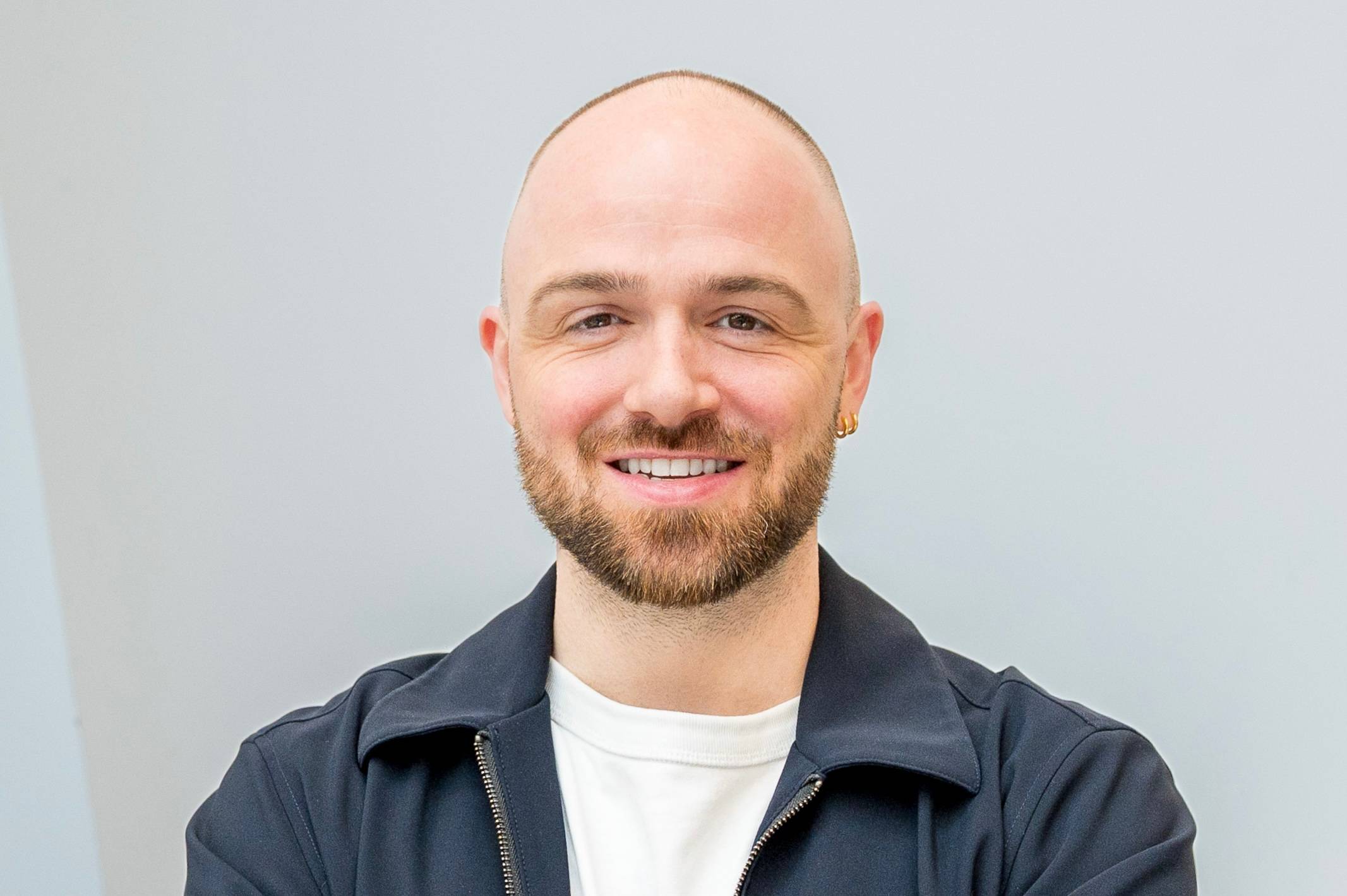 Steven Strehl, Founder of everypreneurs
Almost 40 per cent of 14 to 25-year-olds in Germany can imagine starting their own business. So far, 3 per cent have gone self-employed.6 If Germany caught up with the US, around 3.7 million people could be working in startups and scaleups in 2030.7 We’re leaving that potential untapped, because our funding logic is built around university degrees, a bias towards tech and scaling models that suit venture capital, not around the people who actually want to start a business.